



Human sculpture artwork
It is a type of humanoid sculpture artwork created between approximately 1000 and 1470. It usually has unique cultural characteristics and artistic styles, reflecting the social beliefs, religious rituals, and aesthetic concepts of the time. During this period, many civilizations made significant achievements in artistic creation, with sculpture art particularly developed. It was not only more mature in technology, but also more rich and delicate in artistic expression. Successfully recovered from the Netherlands in 2022. This is not only a protection of cultural heritage, but also a respect for history and culture.

Pre Romanesque Sacred Box - Museum of Mireza
It is a precious artifact from the pre Romanesque period, consisting of a container and a lid, with a handle on top of the lid. The St. Mary's Delilet Church is located in the town of Lapo Bradley in the Begda region. It is currently preserved in the museum in Manza. This artifact box is a representative of pre Romanesque art, with a unique design that showcases the artistic style and craftsmanship of that era. Not only is it a religious artifact, but it is also an important physical material for studying the social, cultural, and religious life of that time. Through this work, people can better understand and appreciate the ancient civilization and artistic achievements of Catalonia and even the entire Europe.

Weird Statues - Bonn Collection Series in the Americas
The bizarre statue in the American Bonn Collection series is an artwork made of clay, characterized by two faces stacked on top of each other. The origin of this statue is unknown. Usually refers to sculptures with strange and fantastical qualities, which may depict mythical creatures, monsters, or supernatural phenomena, often used for decoration or symbolic purposes. This type of statue plays an important role in art and culture, inspiring people's imagination and curiosity to explore the unknown.
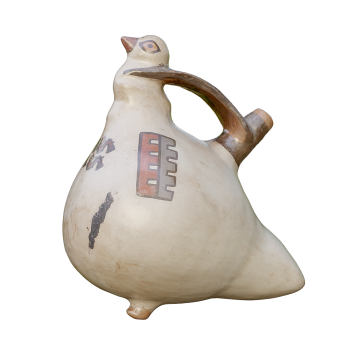
Bird shaped vessels at the Minneapolis Museum of Art in the United States
The bird shaped vessels made between 100 BC and 600 AD are now collected at the Minneapolis Museum of Art in the United States. It occupies an important position in ancient art, has practical functions, and often carries rich symbolic meanings and cultural values. The design reflects the ancient people's observation and imitation of the natural world, as well as their worship and respect for the characteristics of birds.. In many cultures, birds symbolize freedom, sky, spirit, or divinity, so these vessels may be used in religious ceremonies or as ceremonial objects to express social status. It showcases the superb skills of ancient craftsmen and allows us to glimpse the aesthetic taste and spiritual world of ancient society.

Female idol sculptures in the Cyclades Islands
The female idols of the Cyclades Islands, also known as "Cycladic idols," are a series of marble sculptures made on the Cyclades Islands in the Aegean Sea during the early Bronze Age from 3000 BC to 2000 BC. Known for its simple geometric shapes and highly abstract style, it is typically depicted as a standing female figure with feet together, arms crossed in front of the chest, an oval shaped head, simplified facial details, and usually only the nose protruding. Collected in museums around the world, including the Louvre in Paris, they are an important part of ancient art and cultural heritage, as well as important physical evidence for studying ancient Aegean civilization.

Popular Models

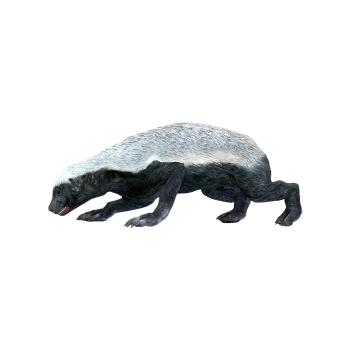
Honey Badger (3D animated model)
192 View
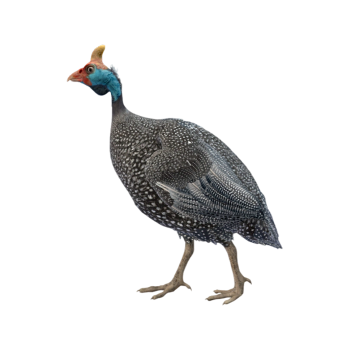
Guinea fowl (3D animated model)
163 View

Wild Goose (3D animated model)
185 View

Red Fox (3D animated model)
153 View
Random Model

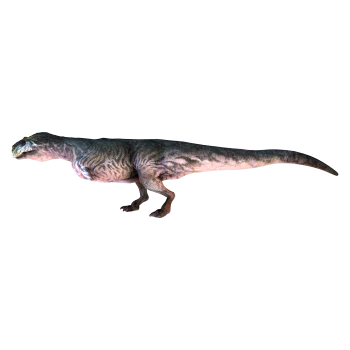
Majunlong (3D animated model)
137 View
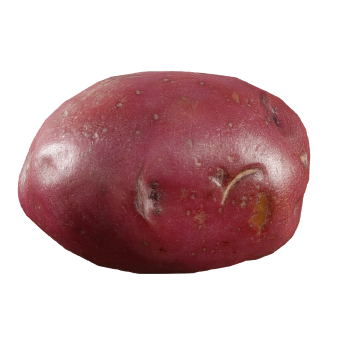
red potato
464 View

Pumpkin
286 View

Skull model of a kanglion
362 View

Black Bear (3D animated model)
144 View

Da-style turon (3D animated model)
191 View

Chinese yam
294 View


Swinging Snowman (3D Action Model)
170 View